
For private collectors
Art, value and collecting over time.
A practical guide to art collecting, provenance and contemporary works for long-term cultural value.
Start with the original
Choose a painting or sculpture you want to live with.
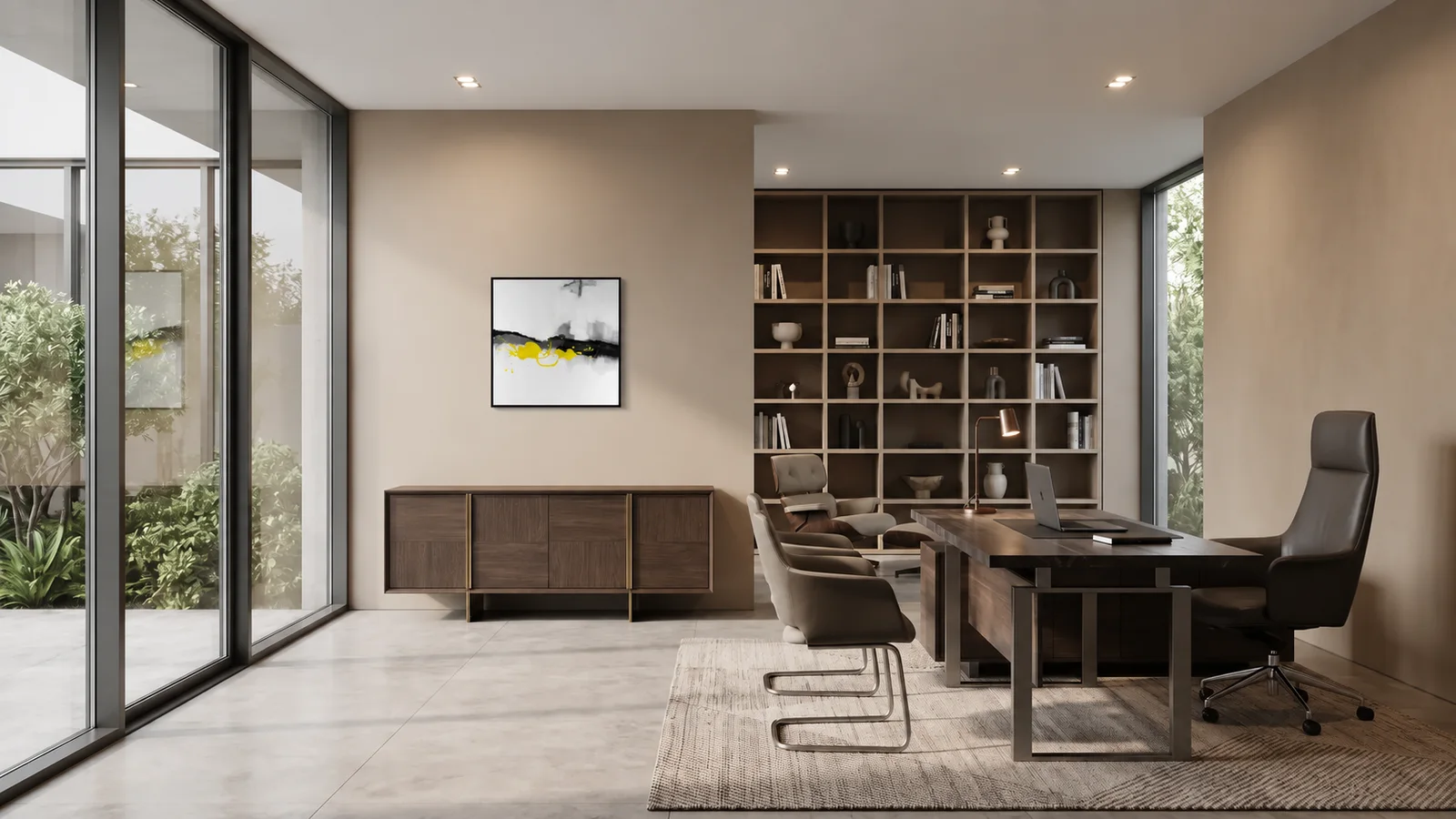
A private collection may begin with a painting on canvas, a monochrome tactile relief, a freestanding sculpture or an extroflessed work that changes with the light. Compare the physical work, not just an image: dimensions, medium, depth, finish and how it relates to your space.
The Works collection introduces individual originals. Availability and the price of a specific piece are confirmed by the Studio. An original is different from a print or reproduction, and a concept rendering is different from a photograph of an installed work.
Provenance and conservation
Keep the identity and history of the work together.
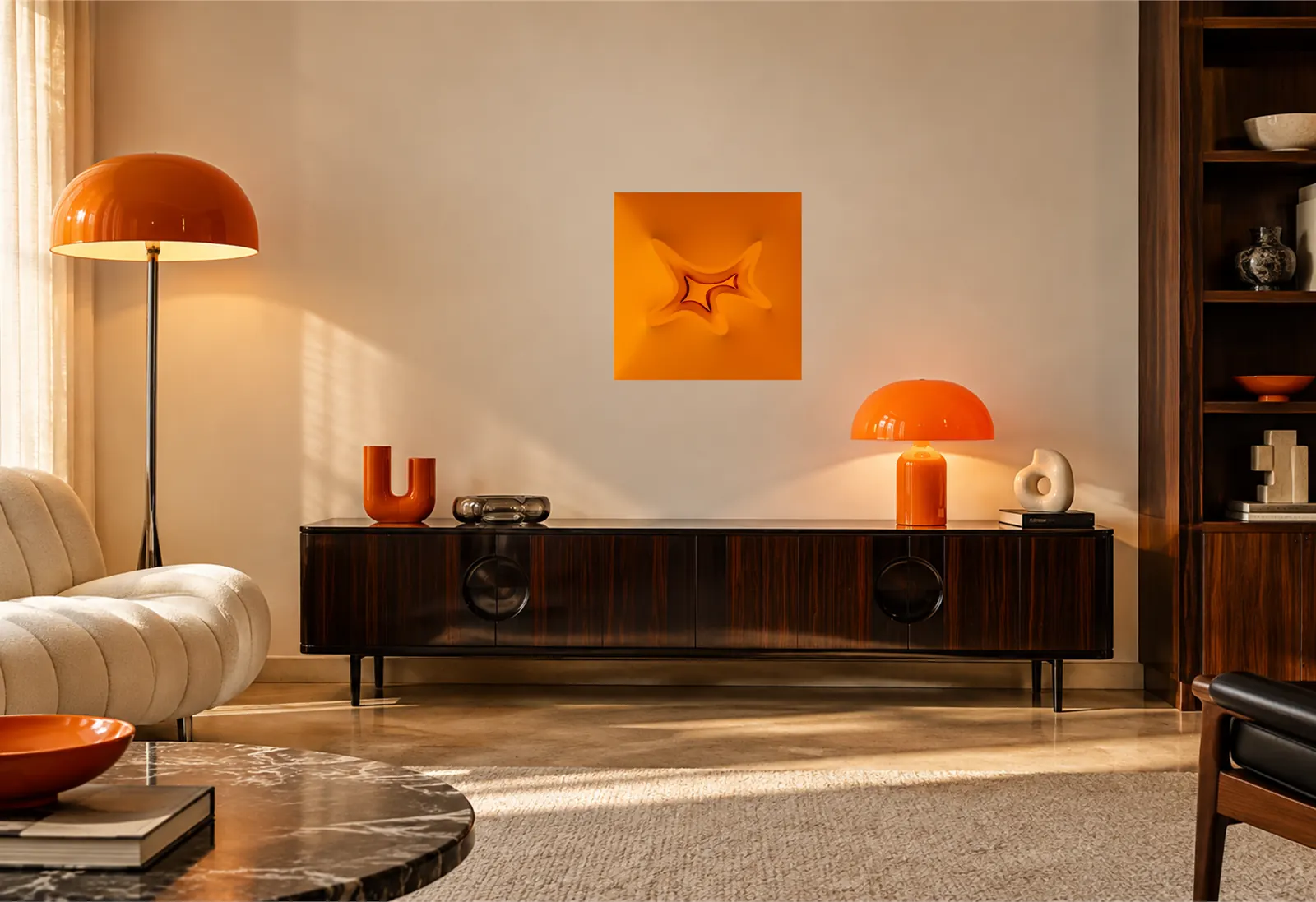
Every work sold by Alessandro Butera Studio receives a signed photographic expertise with a progressive reference number. The Studio retains the record for its planned General Archive. Exhibition catalogues exist, including a printed catalogue for a Palermo exhibition; the publication history of a particular work is confirmed individually.
Keep the expertise, written purchase documents and photographs with the work. Ask for its specific care, handling and installation requirements. Materials and finishes vary, while packing, any wooden crate, insurance and international shipping are defined in the written quotation.
A family collection
What a father hands down when he hands down a painting.
Some people collect to own. Others collect to belong to something older than themselves. A father who hangs an original work in the room where his child does her homework is not decorating. He is deciding what kind of eyes she will grow up with. Beauty, met every morning and never explained, does its slow work: it teaches proportion before arithmetic, silence before argument, and the idea that some things in a house are there only because they deserve to be.
The child will not remember the day the work was bought. She will remember the light on it at four in the afternoon, the way her father stopped before it with his coffee, the evening he told her who made it and why it mattered to him. A collection is a form of education, and the first lesson it gives is moral rather than aesthetic: that care for beautiful things and care for people come from the same habit of attention, and that a person's integrity shows in what he chooses to live with.
Years later, when the father is gone, the work stays. It is no longer only a picture. It is the shape of his taste, the trace of his choices, a way of keeping his voice in the house. A grandchild will ask who chose it, and in answering will pass on what the work was always carrying: a way of seeing, a sense of what is worth keeping, the memory of someone who believed that a home should hold something worth looking at. Few inheritances are as honest.
For this to happen the work must arrive with its story. Keep the signed expertise, the purchase papers, the photographs and the care notes with it, so that the next generation can say what it is, who made it and when.
Art and value over time
Beauty that also keeps its worth.
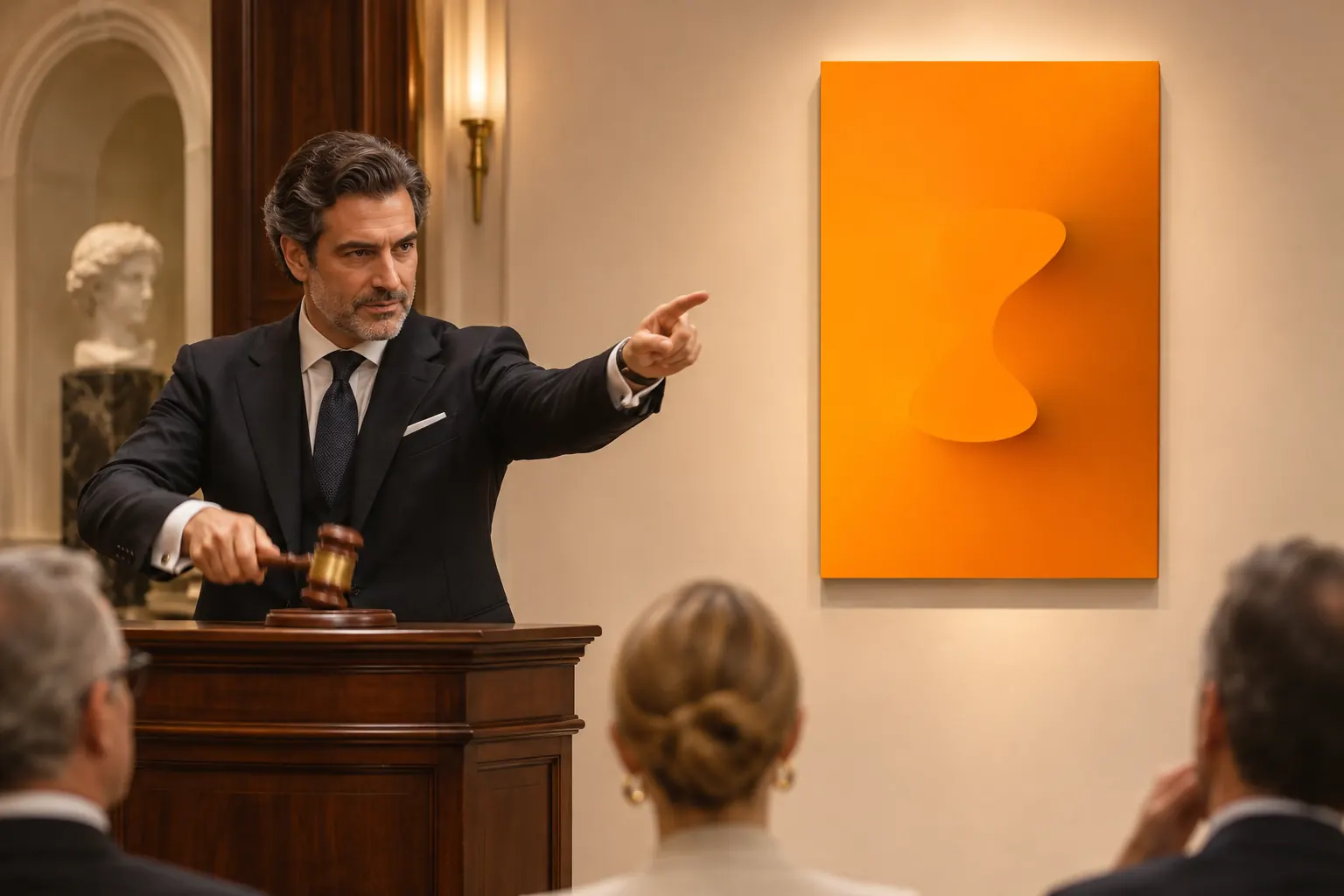
It would be false to say that collecting is only about memory. A work of quality, by an artist with a body of work behind them, has always kept a place in the economy of families. A nineteenth-century painting that once hung unremarked in a provincial dining room is worth thousands of euros today, and the masters of the twentieth century are valued far beyond that. Over the long term a real work of art is a patient asset, one that does not depend on a single currency or a single market and that can be kept, enjoyed, passed on or sold.
What turns a beautiful object into a sound one is not mystery but paper. The work must be good, it must be signed, and it must be properly documented: a clear identity, a traceable history, a condition that has been looked after. A signed work with its papers can be understood and valued by anyone who meets it a generation later. A work without them has to begin its life again.
This is the quiet advantage of buying directly from the artist. The documents are original because they begin at the source: the signed photographic expertise with its progressive number, the written purchase, the first photographs, the artist's own account of the work. Nothing has to be reconstructed afterwards. Value rests on recognition, condition, exhibition history and demand, and no one can promise how a single work will be valued in the future. But a work that begins with a complete and honest history has the best possible start.
Read more in the Studio's guides to buying an original abstract painting, collecting sculpture and long-term collecting.
Ask about an artworkQuality of spaces
Artistic presence, perceived prestige and calm.
A carefully chosen original can give identity to a home, professional office or hospitality space. Painting brings colour and rhythm; an extroflessed work adds depth and shadow; sculpture can shape the way people move through a room. A sense of quality and prestige depends on the work and setting, rather than a luxury label.
In a private interior, the relationship between art, light and materials may support a personal feeling of calm and belonging. This is a subjective experience, not a measurable promise of wellbeing. Compare the physical work with the room's scale and light before choosing.
Continue with: Investing in art, Key facts, Questions, Glossary.
Questions from collectors
Before you acquire an artwork.
Can art be a safe-haven asset?
Some collectors consider original art a tangible asset: it is not tied to a single currency or market and it lasts for generations. It is not a guaranteed safe haven, however: the value of an individual work depends on the artist and on demand, liquidity is limited and the resale price is never assured.
How can a work of art be passed from parent to child?
Keep the signed expertise, purchase documents, photographs and care instructions with the work. Sharing its history and provenance passes on cultural meaning as well; formal transfer should be considered with the appropriate professionals.
Can an artwork carry a parent's memory and values to the next generation?
Yes. A work chosen and lived with by a family can remind children of a parent, their choices and the values they wanted to share. Sacred art is a historical example of images preserved for spiritual and cultural meaning as well as artistic quality; emotional value does not necessarily match market price.
What can art teach children?
Looking at a work together and discussing form, colour and meaning may encourage curiosity, visual attention, conversation and cultural awareness. It is a family experience, not an automatic outcome.
What can an original artwork bring to a home or office?
Painting or sculpture can give an interior identity, perceived quality and prestige. Its relationship with light, materials and space may contribute to a calmer atmosphere for those who use it; that response is personal and depends on the work.
What influences the future value of an artwork?
Artist recognition, the quality of the work, documented provenance, condition, exhibition history and demand all matter. Buying directly from the artist, with the signed expertise, gives a work a clear history from the start.
Can original art be a long-term investment?
Yes. An original artwork is a tangible asset that can be kept, enjoyed, passed on or sold. Nineteenth-century works now sell for thousands of euros and the masters of the twentieth century for far more; the value of an individual work depends on the artist and on demand.
What should I check before buying an original painting or sculpture?
Check the exact work's medium, dimensions, condition, provenance, availability, price and documentation. A room visualisation is useful for scale, but ask for photographs and specifications of the physical original.
How does the Studio document authenticity?
Every artwork sold by Alessandro Butera Studio is accompanied by a signed photographic expertise with a progressive reference number. The Studio retains its records for a planned General Archive; a public archive entry is not yet implied.
How is an artwork protected for the future?
Keep the signed expertise and purchase documents, and follow the care and installation guidance for the individual work. Packing, insurance and delivery conditions are confirmed in writing for the selected piece and destination.