The wall is part of the artwork
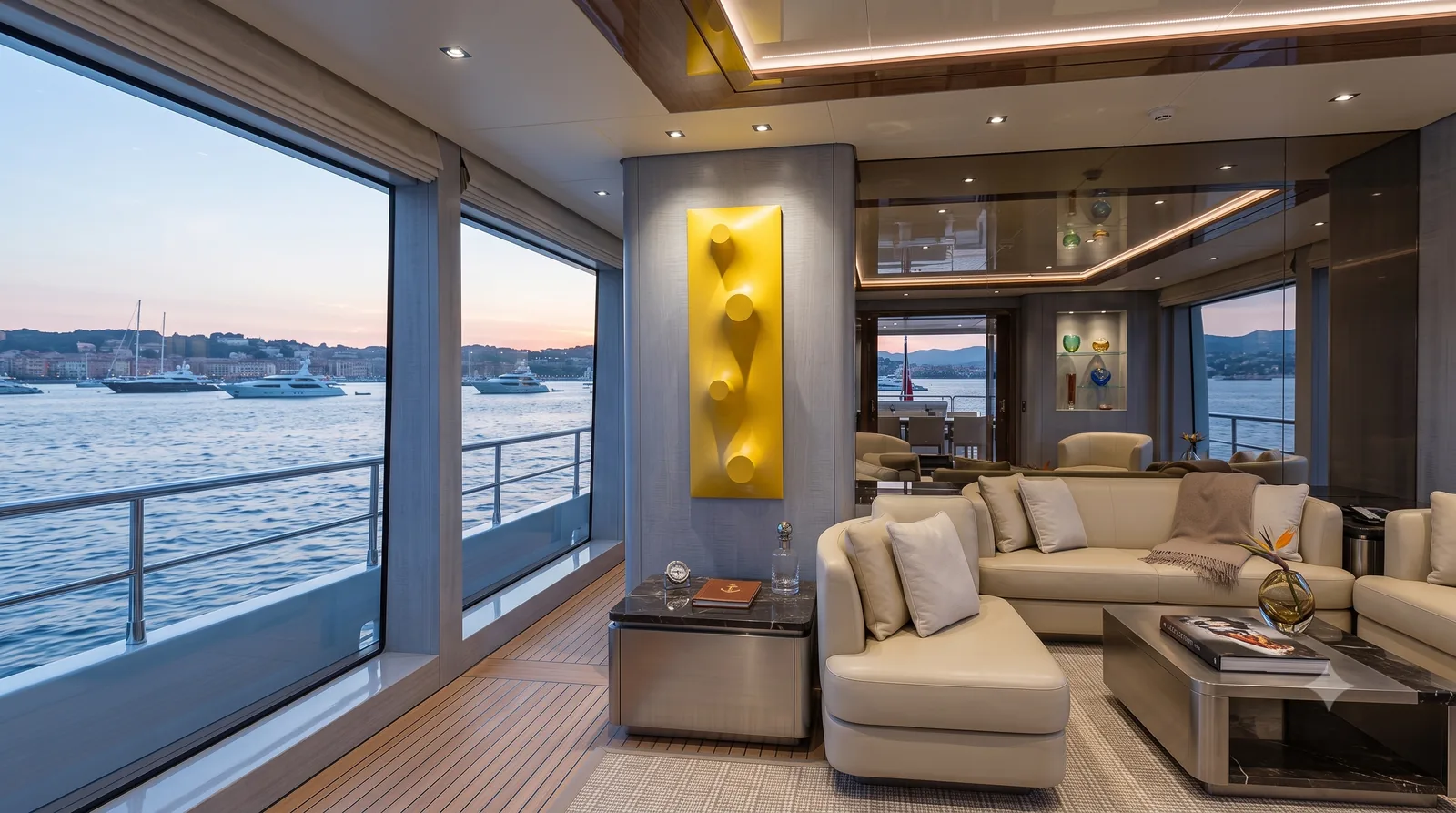
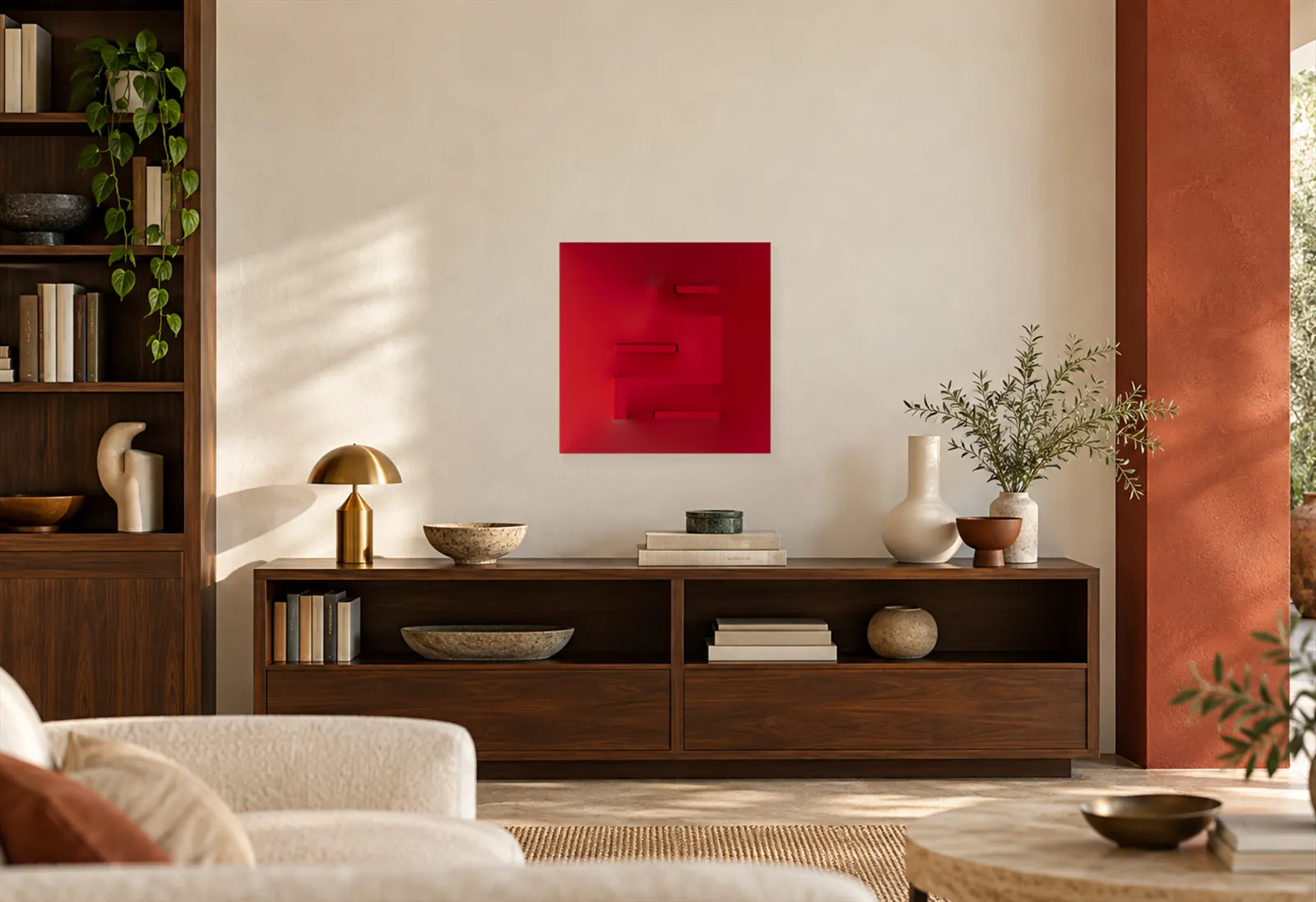
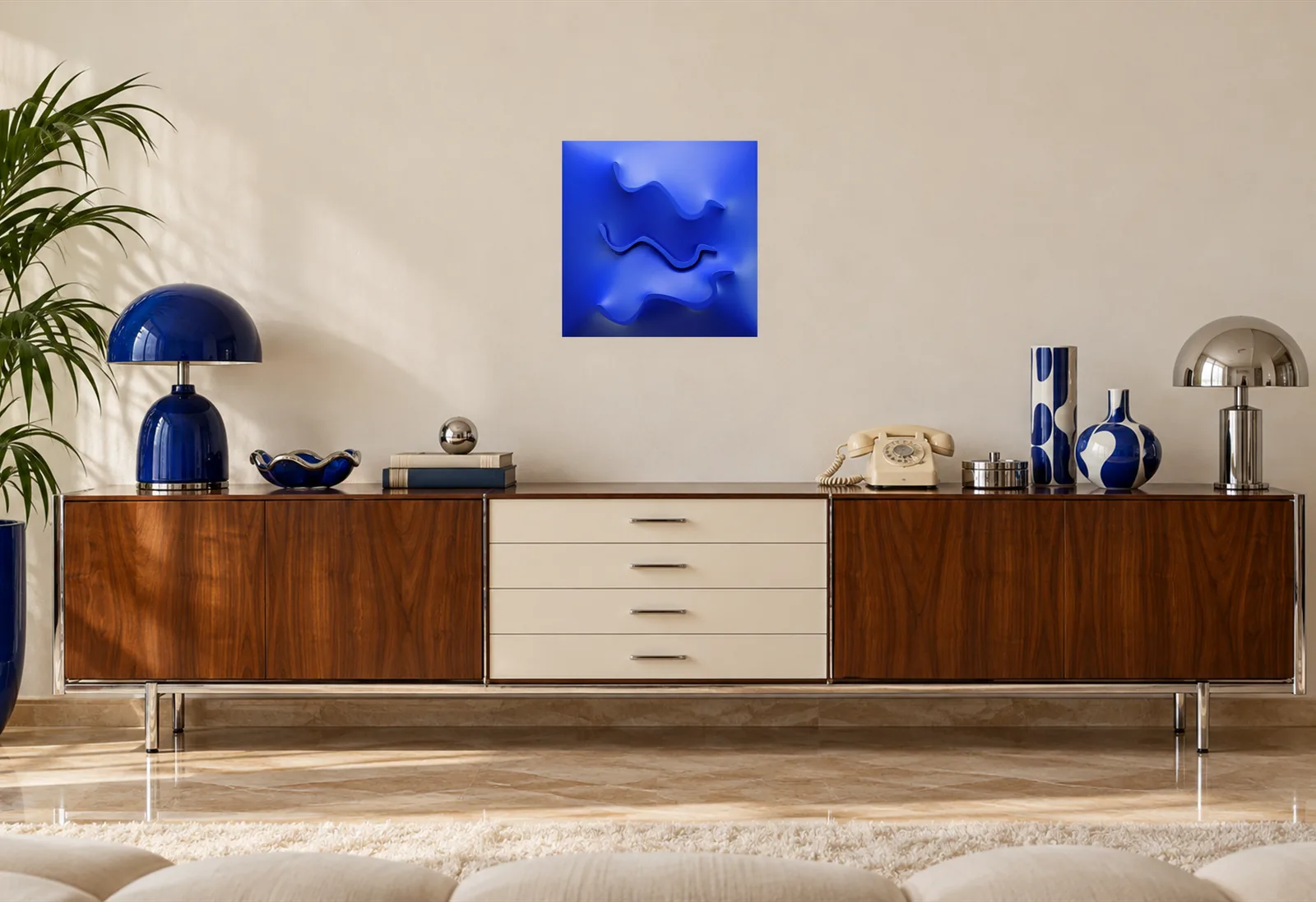
An extroflessed work does not end at its frame. Its projected form casts shadow onto the surrounding surface, so wall colour, texture and light direction become part of the composition.
A piece placed beside a window behaves differently in the morning and evening. In a controlled hospitality environment, carefully positioned artificial light can create a consistent rhythm while retaining subtle variation.
Depth without visual weight
Relief offers sculptural presence in places where floor area is valuable. The work can hold a large architectural wall while maintaining clear circulation, making it suitable for entrance halls, staircases, lounges and yacht interiors.
Monochrome works emphasise shadow and geometry. Polychrome pieces add an independent emotional layer. Neither approach is inherently more luxurious; the right choice follows the character of the space.
From observation to proposal
The Studio studies photographs, drawings and lighting information before defining form. For complex projects, a visualisation can test the perceived scale and the dialogue with the surrounding materials.
Frequently asked questions
What makes a wall sculpture site-specific?
A site-specific work is developed in response to a particular architecture, scale, viewing path, material palette or lighting condition rather than being selected as a generic object after the interior is complete.
How do light and shadow affect an extroflessed wall artwork?
The projecting relief catches light and casts shadows that change with the sun, artificial lighting and the viewer’s position. Wall colour, texture and light direction therefore become part of the visual experience.
Join the conversation.
Share a comment below for public discussion after review. For a private question or an idea for a future article, write directly to the Studio.
Ask the Studio privatelyExplore Works, Projects, Contact the Studio.
Discuss a commission