The short answer
American Minimalism of the 1960s takes two ideas out of the picture: the work is an object present in the room, and light can be the material. Donald Judd theorised the first in the essay Specific Objects. Dan Flavin realised the second with commercial fluorescent tubes.
This is episode 8 of the series From canvas to space.
Judd: specific objects
Judd published Specific Objects in Arts Yearbook 8 in 1965. The essay, written in 1964, argues that much of the best recent work is neither painting nor sculpture. Judd speaks of specific objects: simple forms, often repeated, often made by industrial fabricators. He rejected the label Minimalism and denied that these works form a movement or a style. The essay is regarded as one of the central texts of the period.
Flavin: a lamp on the wall
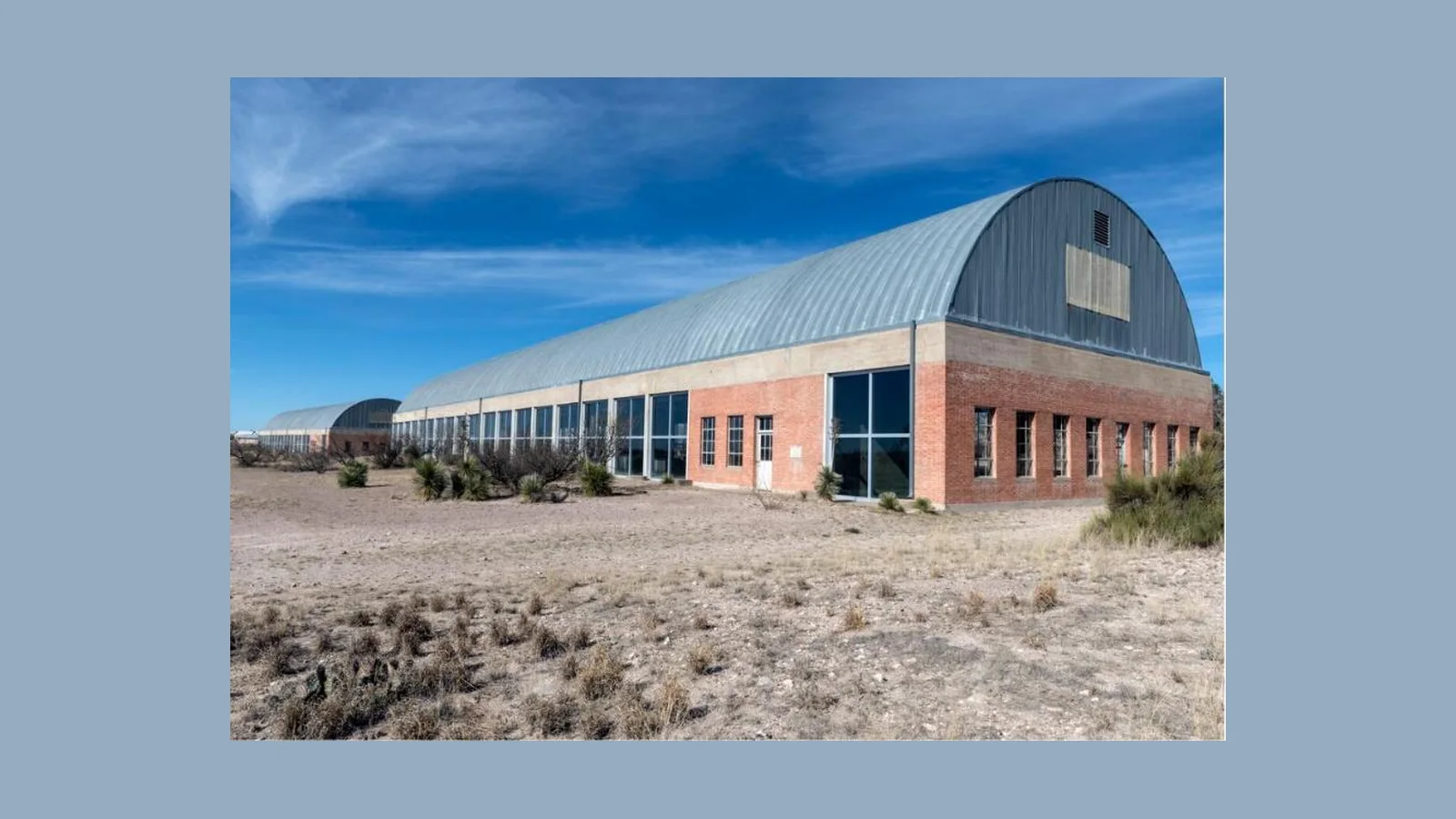
On 25 May 1963 Dan Flavin mounted an 8-foot fluorescent tube on the wall at a 45-degree angle. The work, the diagonal of May 25, 1963, is dedicated to Constantin Brancusi and is the first in which he used fluorescent light alone. From 1961 he had made the Icons, boxes with lamps attached. From then on he worked with commercial tubes in standard colours and lengths and called his works situations: light redefines the surrounding architecture. In 1983 the Dan Flavin Art Institute opened in Bridgehampton, run by the Dia Art Foundation, and in 1992 he installed a work at the Guggenheim in New York.
The Italian thread
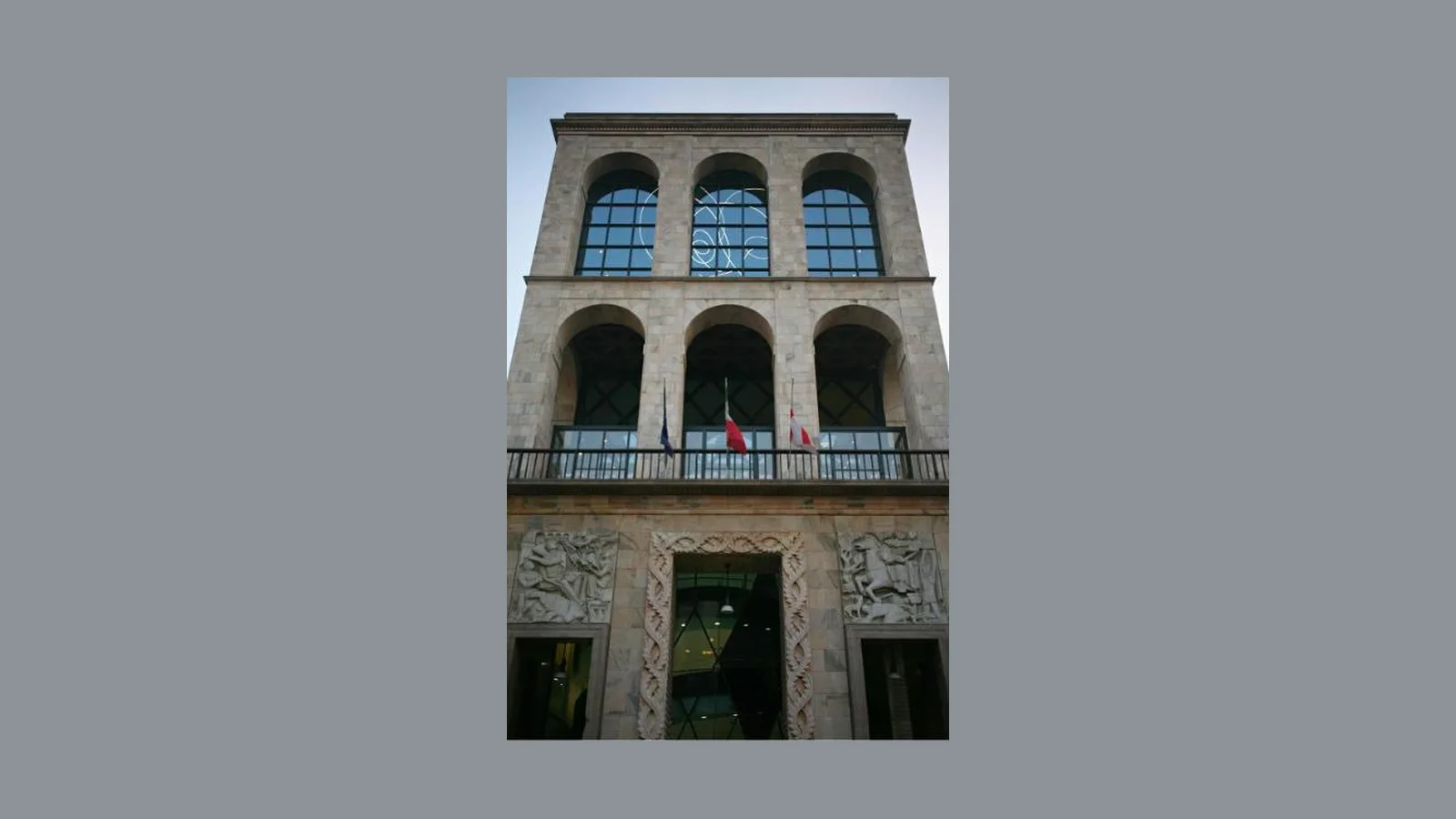
Fontana used neon as early as 1951 at the Milan Triennale, twelve years before Flavin's diagonal. Castellani is regarded by several sources as a forerunner of Minimalism in Judd's eyes. The relationship between Europe and the United States is therefore one of dialogue and close dates, not of one school descending from another.
What remains for those who design spaces
Minimalism leaves three practical legacies: the work as an object proportioned to the room, repetition as rhythm, and light as material. These are the same questions that today concern LED wall works and modular works.
Frequently asked questions
What is Specific Objects?
Donald Judd's essay published in 1965 in Arts Yearbook 8, describing the new three-dimensional works that are neither painting nor sculpture.
Why does Flavin use industrial lamps?
Because they are standard, common and change space through light without imitating anything.
Did Minimalism begin in the United States?
Years and places differ: Fontana used neon in Milan in 1951, Flavin the fluorescent lamp in New York in 1963. The link is a dialogue.
Join the conversation.
Share a comment below for public discussion after review. For a private question or an idea for a future article, write directly to the Studio.
Ask the Studio privatelyExplore the history of contemporary art, Spatialism, Collections.
Discuss a commission